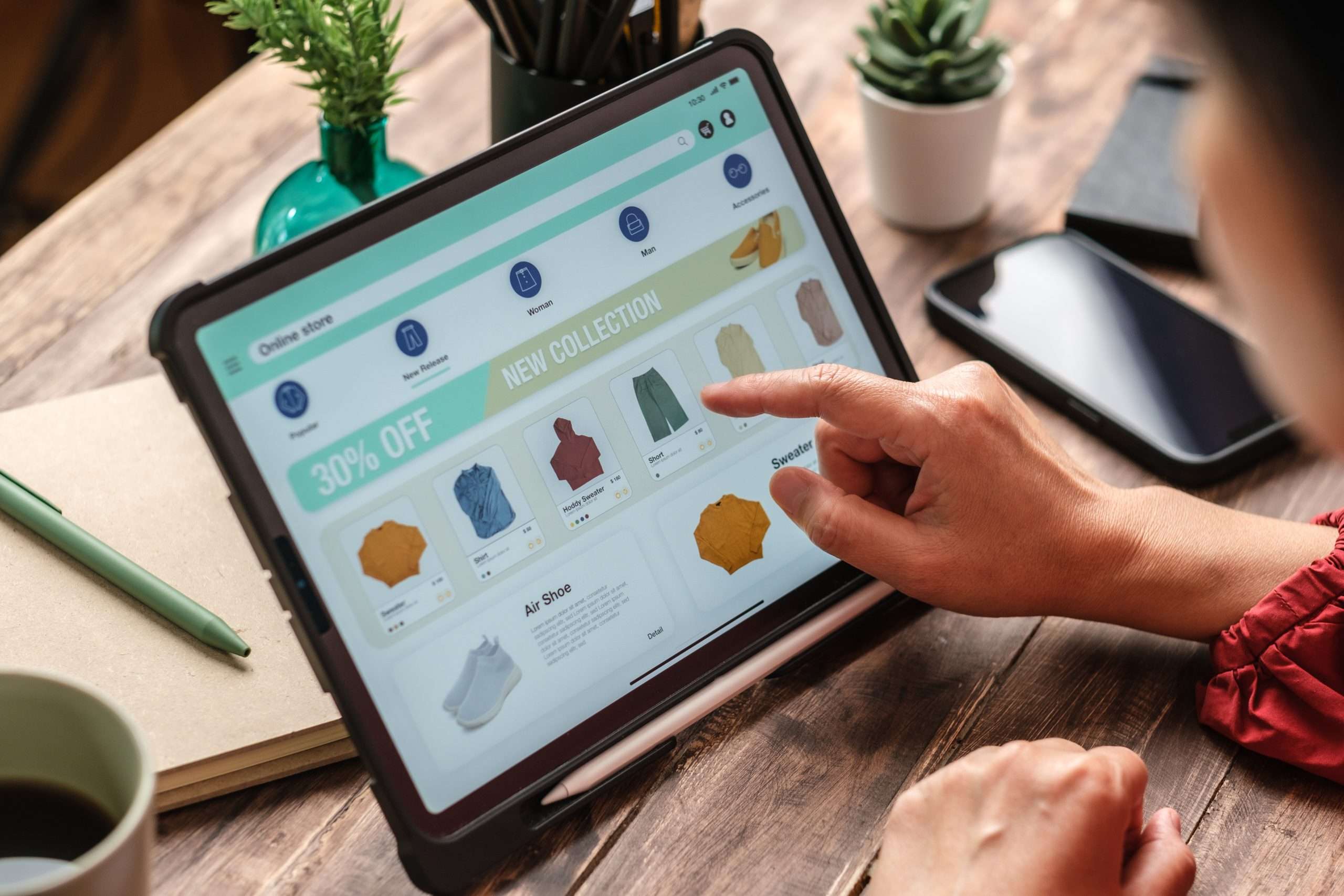
When you run an online shop, getting people to find your products is half the battle. That’s where SEO (Search Engine Optimisation) comes in. Think of SEO as making your shop more visible on Google, so customers can find you when they’re looking for what you sell.
Your product pages are where the magic happens. These are the pages that show individual items in your shop. When someone searches for “red trainers” or “wireless headphones,” you want your product pages to appear at the top of Google’s results. The better your product page SEO, the more people will find and buy from you.
At Echelon Media, we’ve helped hundreds of businesses boost their online sales through smart SEO. Let’s explore how you can make your product pages work harder for your business.
Why Product Page SEO Matters
Around 32% of all online purchase journeys begin on Google, and 51% of consumers use Google to research products they plan to buy online. This means if your product pages aren’t showing up in search results, you’re missing out on loads of potential customers.
Think about it this way: when someone searches for “black leather boots size 8,” they’re ready to buy. They’re not just browsing – they know exactly what they want. If your product page appears at the top of Google for that search, you’ve got a great chance of making a sale.
Good product page SEO also builds trust. When people see your products ranking highly on Google, they think your business is more reliable and professional.
Understanding Your Customers’ Search Behaviour
Before we dive into the technical stuff, you need to understand how people search for products online. There are three main types of searches:
Information Searches: People looking for answers (like “how to clean leather boots”) Commercial Searches: People comparing products before buying (like “best running shoes for flat feet”) Buying Searches: People ready to purchase (like “buy Nike Air Max size 9”)
For your product pages, you want to focus on commercial and buying searches. These are the people with their wallets ready.
Essential Elements of Product Page SEO
1. Choose the Right Keywords
Keywords are the words and phrases people type into Google. For product pages, you want keywords that show someone is ready to buy.
Good product keywords include:
- Brand + product name (“Apple iPhone 15”)
- Product + features (“waterproof bluetooth speaker”)
- Product + buying words (“buy wireless earbuds online”)
Avoid These Common Mistakes:
- Using keywords that are too broad (“shoes”)
- Targeting information keywords (“how to tie shoelaces”)
- Ignoring what customers actually search for
2. Write Compelling Product Titles
Your product title is like the headline of a newspaper – it needs to grab attention quickly. Include your main keyword and the most important product details.
| Good Product Title | Why It Works |
|---|---|
| “Sony WH-1000XM4 Wireless Noise Cancelling Headphones – Black” | Includes brand, model, key features, and colour |
| “Levi’s 501 Original Fit Jeans – Men’s Blue Denim W32 L34” | Brand, style, fit, gender, colour, and size |
| “iPhone 15 Pro 128GB Space Black – Unlocked” | Model, storage, colour, and network status |
3. Create Detailed Product Descriptions
Your product description should answer every question a customer might have. Excellent product page copy is even more valuable if you are selling products that can be found on hundreds of other e-commerce sites, since many of these stores will copy and paste a product description right from the manufacturer, resulting in thin and duplicate content across dozens of sites or more.
Write unique descriptions that include:
- What the product does
- Who it’s for
- Key features and benefits
- Technical specifications
- How it solves customer problems
4. Optimise Your Images
Pictures sell products, but they also help with SEO. Here’s how to make your images work harder:
- Use descriptive file names: Instead of “IMG_001.jpg,” use “red-leather-handbag-with-gold-clasp.jpg”
- Add alt text: This describes your image to Google and helps with accessibility
- Compress images: Large images slow down your page, which hurts SEO
- Use multiple angles: Show your product from different views
5. Get Your Technical Details Right
There are some behind-the-scenes elements that Google pays attention to:
Title Tags: This is what appears as the clickable headline in Google search results. Keep it under 60 characters and include your main keyword.
Meta Descriptions: This is the short description under your title in search results. Make it compelling and include your keyword. Keep it under 160 characters.
URL Structure: Use clean, descriptive URLs like “/mens-running-shoes/nike-air-max-270” instead of “/product12345”
Advanced Optimisation Strategies
Schema Markup for Rich Results
Schema markup is code that helps Google understand your product information better. It can make your listings stand out with star ratings, prices, and stock availability right in the search results.
While this sounds technical, many e-commerce platforms like Shopify and WooCommerce have plugins that add schema markup automatically.
Internal Linking Strategy
Connect your product pages to related products and categories. This helps customers discover more items and tells Google which pages are most important.
For example, if you sell cameras, link from:
- Camera product pages to lens product pages
- Individual products to category pages
- Blog posts about photography to relevant cameras
User Reviews and Social Proof
Customer reviews don’t just build trust – they also help with SEO. Reviews create fresh, unique content on your product pages and often include keywords that customers use naturally.
Encourage reviews by:
- Following up after purchases with email reminders
- Making the review process simple
- Responding to reviews (both positive and negative)
- Displaying reviews prominently on product pages
Common SEO Mistakes to Avoid
Duplicate Content Problems
If you sell the same products as other retailers, don’t copy the manufacturer’s description. Write your own unique version. Ecommerce websites face unique challenges when it comes to content optimization. They are particularly susceptible to duplicate content because they often have multiple categories and product pages with shared attributes.
Ignoring Mobile Users
More than half of online shopping happens on mobile phones. If your product pages don’t work well on mobile, you’ll lose customers and rankings. Make sure your pages load quickly and are easy to navigate on small screens.
Forgetting About Page Speed
Slow pages frustrate customers and hurt your Google rankings. A study by Digital.com states that websites taking more than 6 seconds to load distract customers from staying. Optimise your images, use efficient hosting, and minimise unnecessary features.
Measuring Your Success
Track these key metrics to see how your product page SEO is performing:
- Organic traffic: How many people find your pages through Google
- Keyword rankings: Where your pages appear for important search terms
- Conversion rate: How many visitors actually buy something
- Click-through rate: How often people click on your pages in search results
Use tools like Google Analytics and Google Search Console (both free) to monitor these metrics.
The Role of Content Marketing
Don’t forget about content marketing alongside your product page optimisation. Creating helpful blog posts, buying guides, and how-to articles can attract customers who aren’t ready to buy yet but might be in the future.
At Echelon Media, we often recommend a mix of product page optimisation and content marketing for the best results.
For more detailed guidance on SEO best practices, the U.S. Small Business Administration offers excellent resources on digital marketing fundamentals that can help small businesses understand the broader context of online marketing.
Getting Started: Your Action Plan
Here’s a simple step-by-step approach to improve your product page SEO:
- Week 1: Audit your current product pages and identify the most important ones to optimise first
- Week 2: Research keywords for your top-selling products
- Week 3: Rewrite product titles and descriptions with your new keywords
- Week 4: Optimise images and technical elements
- Month 2: Start building internal links and encouraging customer reviews
- Month 3: Monitor results and adjust your strategy
Remember, SEO is a long-term game. You won’t see results overnight, but consistent effort will pay off with more traffic and sales over time.
Frequently Asked Questions
How long does it take to see results from product page SEO?
Most businesses start seeing improvements in 3-6 months, though some changes can show results sooner. SEO is like planting a garden – it takes time to grow, but the results last longer than paid advertising.
Should I optimise every product page or focus on the best sellers?
Start with your best-selling and most profitable products. You’re likely to find that 20% of your categories are driving 80% of the revenue, so focus on those. Once you’ve optimised these, move on to other important products.
Can I do product page SEO myself, or do I need to hire an expert?
Many basic SEO tasks can be done yourself, especially if you use an e-commerce platform with built-in SEO features. However, for competitive markets or technical issues, working with SEO professionals like those at Echelon Media can save time and deliver better results.
What’s the most important factor for product page SEO?
There’s no single “most important” factor, but if we had to pick one, it would be understanding what your customers are actually searching for and creating content that matches their intent. All the technical optimisation in the world won’t help if you’re targeting the wrong keywords or not meeting customer needs.
Product page SEO isn’t just about getting more traffic – it’s about getting the right traffic from people who are ready to buy. By following these guidelines and staying focused on your customers’ needs, you’ll build a solid foundation for long-term e-commerce success.